
"Bolivian coffee beans"
700 article(s) found

Bolivian Coffee Karanawi Flavor description Grinding scale Variety production area Manor
Bolivian coffee Karanawi flavor describes the grinding scale variety produced in the region manor. The annual output is between 6000 and 10000 tons. The main reason is that the hardware is relatively backward. The important reason is that the altitude is too high. But the delicious and low-yield Tibica is also to blame. In recent years, under the advice of experts. Kaddura, which has a high yield and good flavor, is also planted. Kaduai. It is hoped that midwifery can be improved. Generally speaking, the boutique coffee beans of the producing countries are better than those of the other countries.

Description of Bolivian Coffee Flavor with supple Fruit Acid Variety characteristics of Fine Coffee beans
South America is rich in coffee beans, and Bolivia is no exception. The unique tropical rain forest environment in some parts of Bolivia provides excellent natural conditions for the growth of organic coffee. The aroma of Bolivian coffee is rich and unique, both the aroma of ground beans and the aroma of coffee are obviously rich, similar to the mixture of flower and fruit aroma, which is impressive.

Introduction to the characteristics of flavor varieties in Bolivian coffee manor with high quality and rich sour taste
On December 18, 2005, the presidential election was held. Aymara Indian, Evo Morales, leader of the Bolivian socialist movement, won the election with 53.75% of the vote and took office on January 22, 2006. He became the country's first Native American president and Bolivia's first left-wing president. Began with progressive community socialism (that is, Indian socialism)

Introduction to the sweet and fragrant Bolivian coffee flavor manor boutique coffee beans
The legal capital, the seat of the Supreme Court, with a population of 284000, 2790 meters above sea level. Founded in 1538, the city was formerly known as Chuquisaka. The city witnessed the first uprising in South America against Spanish rule in 1809. Bolivia declared its independence here in 1825 and became the capital in 1826. In 1839, it was renamed Sucre to commemorate the second president of Bolivia, General Antonio Jos é Sucre.

The main coffee producing areas in Bolivia introduce Bolivian coffee estates and Bolivian coffee beans.
Takesi Manor, drinking water and coffee after harvest treatment, using alpine melting cold snow landscape, so we give her a nickname: Takesi Snow vein Manor; in addition to low temperature, pollution-free environment, fertile and well-drained volcanic soil, is also an element of coffee flavor, although the owner of Agrotakesi SA is rich, but deep respect for nature and the way to get along, but

Introduction to the planting environment of Bolivian coffee with dry flavor of almonds
(1) the Movement for Socialism (Movimiento Al Socialismo): founded in 1995. The ruling party. The emerging leftist political parties are widely participated in the national democratic forces. Oppose neoliberal economy and economic globalization. The largest political force in the Bolivian parliament. The party's leader is President Juan Evo Morales Emma (Juan Evo MORALES Ayma). (2) Poly

Bolivian coffee grown in Yongas, northeast of La Paz
Arabica coffee cannot be grown in cold places above 2000 meters above sea level. if the altitude is too high, coffee trees will frost because the temperature is too low. So Bolivian coffee is mainly grown in the Yungas region northeast of La Paz. It borders the Amazon basin and is about 1500-2500 meters above sea level with an average annual temperature of about 10-15 ℃. Therefore, it ensures the growth of coffee.

Bolivian fine coffee beans with rich sour taste
Bolivia not only has a unique growing environment, but also has an excellent coffee variety Typica. For 200 years, the coffee varieties in Yangas have been dominated by the ancient Tibica. The Tibica variety has a balanced and soft flavor, with lively aromas and rich acidity. Unfortunately, Tibica's yield is low and its disease resistance is poor, making Bolivia's

Bolivian Snow Veins Manor Coffee Flavor Description Grindness Characteristics Variety Producing Area Price Taste Introduction
We know that Arabica coffee cannot be grown at altitudes higher than 2000 meters, and if the altitude is too high, the coffee trees will freeze due to the low temperature. Bolivian coffee is mainly grown in the Yungas region northeast of La Paz. Bordering the Amazon River basin, it is about 1500-2500 meters above sea level and has an average annual temperature of about 10-15 ° C. Therefore guarantee

Bolivian Coffee Flavor description Grinding characteristics introduction of High-quality Coffee beans in producing areas
We know that Arabica coffee cannot be grown in cold places above 2000 meters above sea level. if the altitude is too high, coffee trees will frost because the temperature is too low. So Bolivian coffee is mainly grown in the Yungas region northeast of La Paz. It borders the Amazon basin and is about 1500-2500 meters above sea level with an average annual temperature of about 10-15 ℃. Therefore, guarantee

Introduction of Bolivian coffee producing areas with excellent coffee varieties
Arabica coffee cannot be grown in cold places above 2000 meters above sea level. if the altitude is too high, coffee trees will frost because the temperature is too low. So Bolivian coffee is mainly grown in the Yungas region northeast of La Paz. It borders the Amazon basin and is about 1500-2500 meters above sea level with an average annual temperature of about 10-15 ℃. Therefore, it ensures the growth of coffee.

Bolivian Coffee Bean Farm Features Bolivian Coffee Producing Area Introduction Snow Vein Farm
Takesi Manor, drinking water and coffee after harvest treatment method, using the cold snow mountain water melted by the mountains, so we give her a nickname: Takesi Snow Vein Manor; In addition to low temperature, pollution-free environment, fertile and well-drained volcanic soil, but also the coffee flavor is full of elements, Agrotakesi SA group owner although rich, but deep respect for nature and peaceful way, but

Introduction of Bolivian Coffee producing countries with the name of Alpine country
In boutique coffee, Bolivian coffee is described in this way; Bolivia, located on the southeast side of Peru, is an alpine country. La Paz (capital) is 3660 meters above sea level. Coffee cannot be grown in such a cold place. But YUNGAS, northeast of La Paz, borders the Amazon basin. The altitude is a little lower. About 1500-2500 meters. The average annual temperature is about 10-15 degrees without frost damage in winter. The fertile soil is Bolivid.

Bolivian coffee grinding method Variety characteristics Production area of fine coffee beans Introduction
Presidential elections were held on 18 December 2005. Evo Morales, leader of the Aymara Indian Movement for Socialism in Bolivia, won the election with 53.75% of the vote and took office on January 22, 2006. He became the first Native American president of Bolivia and the first leftist president of Bolivia. It began with progressive communal socialism (Indian socialism).
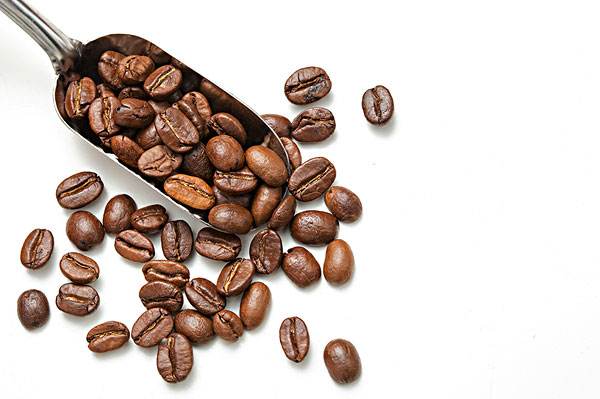
An introduction to the flavor of Bolivian coffee beans in South America
Following caf é (Wechat official account vdailycom) found that Beautiful Caf é opened a small shop rich in coffee beans in South America, and Bolivia is no exception. The unique rainforest environment in some parts of Bolivia provides excellent natural conditions for the growth of organic coffee. The aroma of Bolivian coffee is rich and unique, whether it is the aroma of ground beans or made.

Rich and balanced Bolivian Coffee Manor Flavor and Taste characteristics of Snow vein Manor
From noon to the end of sunset, I spent the whole afternoon in the mirror. Compared with the three-day tour that another colleague went to, I only had 20 minutes to spend on the outside of the mirror for a whole three days. Personal advice is to absolutely report that I will be in the mirror all day, and I will soak in the mirror all day without going anywhere.

Introduction to Bolivian Coffee Flavor Coffee beans in Bolivian Coffee Manor
In the past, most of the coffee in Bolivia was of mediocre quality, but in recent years, the production of boutique coffee has developed rapidly, and there have been a lot of pretty good beans. In recent years, the COE (Cup of excellence) system, which was first implemented in Brazil, has become more and more popular. Bolivia has also introduced this system, which can stimulate the enthusiasm of coffee farmers on the one hand and improve it on the other.

Bolivia drinks correctly Bolivian coffee bean price
For professional baristas, please pay attention to the coffee workshop (Wechat official account cafe_style). South America is rich in coffee beans, and Bolivia is no exception. The unique tropical rain forest environment in some parts of Bolivia provides excellent natural conditions for the growth of organic coffee. The aroma of Bolivian coffee is rich and unique, whether it is the aroma of ground beans or the aroma of coffee produced.

Taste and Flavor characteristics of Bolivian Coffee introduction to Bolivian Coffee
Bolivia's high-quality estates, very high altitude, perennial low temperature environment, so that coffee fruit growth is slow, tight enough, aroma is also charming, floral aroma is obvious, such as careful handling, cherries with the same maturity, often have a clean and meticulous high-end taste, this elegant vanilla and honey aromas are very attractive, this champion bean has a variety of floral aromas, vanilla and sweet very long-lasting. To

The Bolivian coffee producing area of Tibica, which produces excellent coffee varieties.
Arabica coffee cannot be grown in cold places above 2000 meters above sea level. if the altitude is too high, coffee trees will frost because the temperature is too low. So Bolivian coffee is mainly grown in the Yungas region northeast of La Paz. It borders the Amazon basin and is about 1500-2500 meters above sea level with an average annual temperature of about 10-15 ℃. Therefore, it ensures the growth of coffee.